
ImageBank X vs Bynder
Where complex enterprise DAM meets simple, scalable asset management.
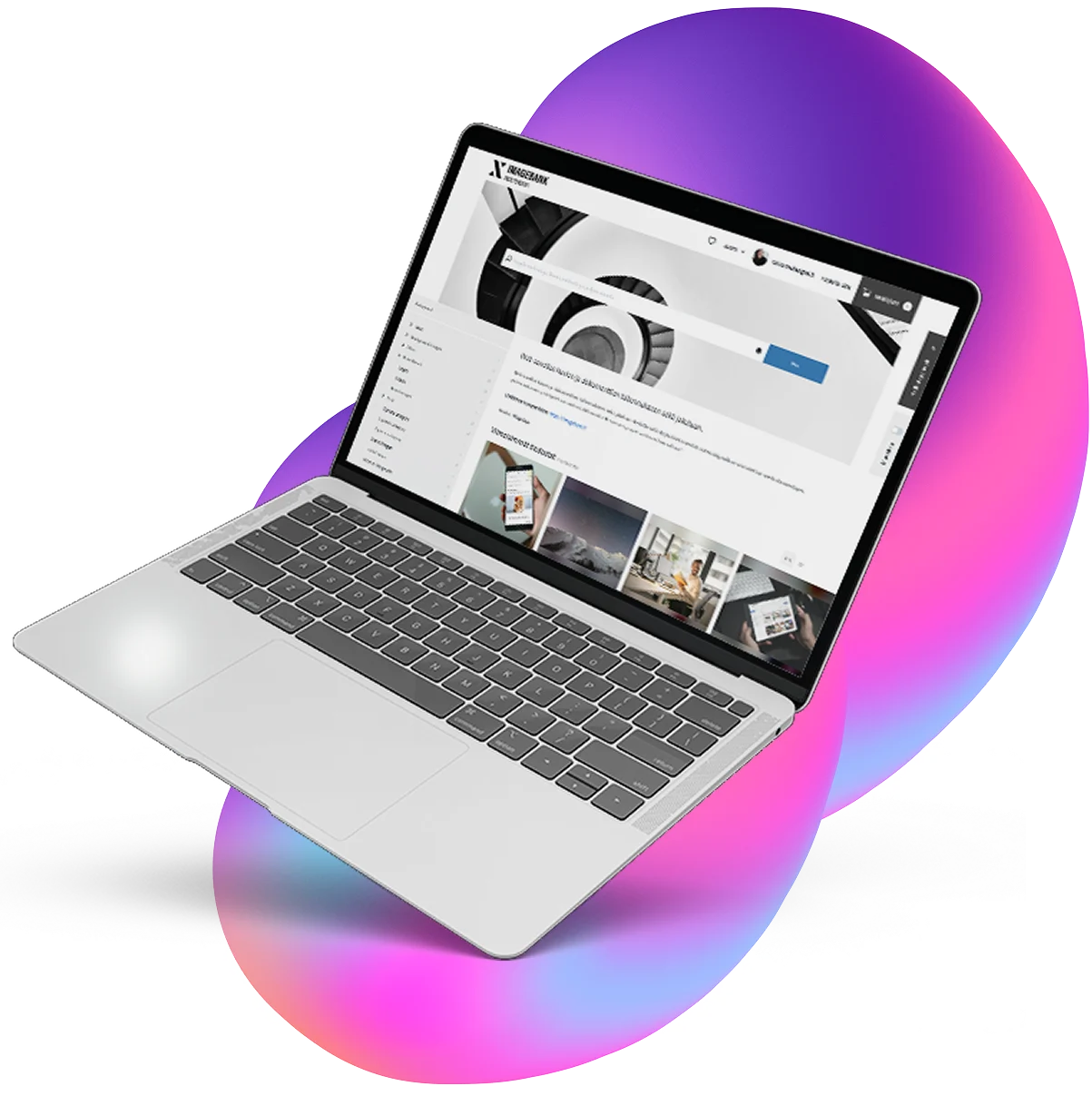
Meet ImageBank X DAM solution
ImageBank X is a brand-tailored Digital Asset Management (DAM) solution designed to adapt to your visual identity, workflows, and business needs. More than just a storage platform, it helps organizations work faster and more consistently with their digital content. Customer results show that ImageBank X improves asset findability, accelerates publishing workflows, and strengthens collaboration between internal teams, partners, and external stakeholders.
By combining intuitive usability, AI-powered metadata automation, and built-in collaboration tools, ImageBank X enables marketing, sales, and partner networks to access the right content faster, maintain brand consistency, and move from content creation to distribution with less friction.
Why do people usually choose ImageBank X?


No per-user pricing: Give access to employees, partners, agencies, and distributors without increasing costs.
All-in-one DAM with built-in editing tools: Adapt, resize, and manage assets without relying on additional licensed tools.
Fast implementation: Go live in as little as one week with minimal setup and onboarding.
AI-driven metadata automation: Less manual tagging, fewer workarounds, simpler administration.
Scalable asset management: Manage marketing, product, and operational assets across teams.
Effortless UX that teams actually use: Intuitive interface that teams can start using immediately.
External sharing without complexity: Share curated collections and brand portals without complex user management.
Centralized control and version consistency: Ensure teams always access the latest approved assets.
Feature comparison ✔️
| Capability | ImageBank X | Bynder |
|---|---|---|
| Built for digital asset management | Yes | Yes |
| Unlimited users | Yes | No information available |
| Predictable total cost | Yes | No |
| Visual previews & rich thumbnails | Fast, native | Yes |
| Marketing ecosystem integrations | Yes (CMS, PIM, eCommerce etc.) | Yes |
| Implementation | Live in as little as one week | No information available |
Who should choose ImageBank X DAM solution?
ImageBank X is ideal for organizations that want predictable ROI and a modern but cost-efficent DAM solution without per-user pricing and the flexibility to scale without licensing limitations. It works especially well for teams that need fast implementation and manage multiple brands or partner networks. Companies that value moden brand management, fast adoption, and scalable growth often choose ImageBank X because it removes friction from daily workflows while supporting long-term expansion. Thanks to the agility of the company, support is fast and highly praised.

Get to know ImageBank X via a free demo
Let’s explore together how ImageBank X could help your organization manage its digital assets.
The migration from Bynder
Many organizations switching DAM systems share similar challenges: rising licensing costs as teams grow, low adoption due to complexity and too many seperate tools required for simple workflows. Migrating to ImageBank X allows teams to simplify their stack while improving collaboration and scalability.
Our team helps move your files, structure metadata, and ensure a smooth transition so you can start seeing value quickly. We also support onboarding, optimize workflows, and ensure your teams adopt the system efficiently from day one.
Access should not be restricted
Many enterprise DAM platforms scale pricing based on users, which can limit adoption across organizations and partner networks.
ImageBank X removes seat-based pricing so teams, partners, and distributors can access the assets they need without increasing costs. This allows organizations to scale content distribution across markets and external stakeholders.

Try ImageBank X free for 14 days!
Get started today
Free 14-day trial
No credit card needed
Email sign-up only
Confirm and start in your browser
The comparison on this page is based on publicly available information and product features as of the time of publication. Features may change over time.
What our customers are saying



“ImageBank X has provided an easy place to store, share, and archive photos. I have been particularly pleased with the comprehensive image management and highly efficient customer service. Problems are solved quickly, and development ideas are taken into account and implemented rapidly.”

Antti Pitkäjärvi
Photographer
“ImageBank X has brought significant clarity and efficiency to our operations and streamlined the management of our digital assets by keeping images, videos, and marketing materials all in one place. It’s easy to download the files we need, and sharing them with both our own staff and partners is simple and well-managed. A highly functional and constantly evolving solution.”

Elina Harjama
Spokesperson
“ImageBank X has proven to be a highly effective and user-friendly tool for marketing support. The platform’s clear and simple structure makes managing and sharing images, for example with retailers, effortless and smooth. The three language options are a significant advantage for us, as we serve customers around the world. We appreciate how easy it is for users to find the material they need, which saves time and streamlines our daily work at Kesla and among our customers.”

Aleksandra Ihno
Marketing Specialist
Get started today!
If you’re ready to take your digital asset management to the next level, our team is here to help.
Book a free demo