Why Creative Teams Need Centralized Digital Asset Management
Creative teams run on content. From campaign visuals and brand guidelines to video files and design templates, the volume of digital assets that marketing, design, and communications teams manage on a daily basis has grown enormously. Yet for many organizations, the systems used to manage those assets have not kept pace. Files are scattered across shared drives, email threads, and personal folders, and the resulting friction quietly drains productivity, budget, and brand quality. Centralized digital asset management addresses this problem directly, giving creative teams a single, structured environment where assets are always findable, current, and ready to use.
The Hidden Cost of Scattered Creative Assets
Disorganized assets are rarely treated as a business problem until the damage is already done. A designer spends an hour searching for an approved logo file. A regional team publishes a campaign using an outdated product image. A freelancer receives the wrong version of a brand template and produces materials that need to be remade. Each incident seems minor in isolation, but across a team of twenty or a hundred people, these moments accumulate into a significant operational cost.
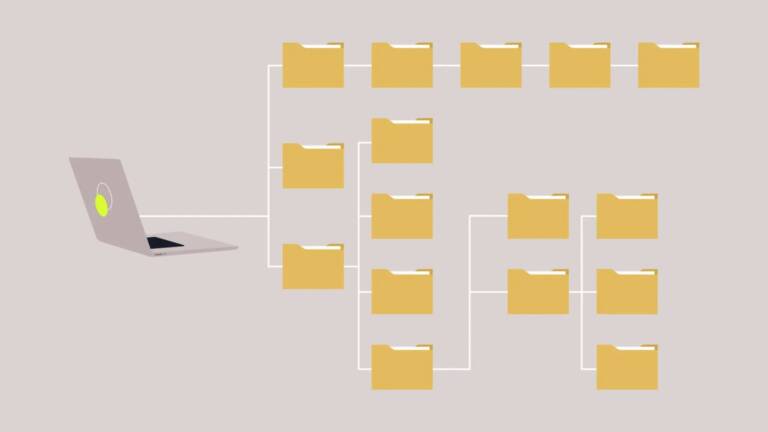
The root cause is almost always fragmentation. Assets live in too many places, maintained by too many people, with no clear system for versioning or access. When there is no single source of truth, duplication becomes inevitable. Teams recreate assets that already exist because they cannot find the originals. Storage costs rise, approval cycles lengthen, and the risk of brand errors increases with every new project. Research consistently shows that creative professionals spend a disproportionate share of their working hours on file management rather than actual creative work, and scattered asset libraries are a primary driver of that imbalance.
How Centralized DAM Unifies Creative Workflows
A centralized digital asset management system replaces the patchwork of folders, drives, and inboxes with a single, structured platform where every asset has a defined home. The immediate effect is speed: teams can find what they need in seconds rather than minutes, and they can trust that what they find is the correct, approved version.
Beyond search, a DAM system transforms how creative workflows are structured. Assets move through defined stages, from upload and tagging to review, approval, and distribution, within one environment. This eliminates the handoff friction that slows projects down when files are passed between tools and platforms. Features like bulk editing, version control, and built-in sharing mean that the steps between “asset created” and “asset published” involve far fewer manual interventions.
For organizations managing multiple campaigns simultaneously, this structure becomes essential. A centralized platform gives project leads visibility into what assets exist, what stage they are at, and who has access to them, without needing to chase updates across different systems. The creative workflow becomes a managed, repeatable process rather than an improvised one.
Brand Consistency at Scale with a DAM System
Maintaining brand consistency is straightforward when a team is small and works in the same room. It becomes genuinely difficult when the organization grows, when external agencies are involved, or when content is being produced for multiple markets simultaneously. A DAM system provides the structural foundation that makes consistency achievable at scale.
When brand assets, logos, approved color palettes, typography, photography styles, and templates are stored in a centralized library with clear permissions and version control, every team member and external partner draws from the same source. There is no ambiguity about which logo is current or which campaign template has been approved. Role-based access controls ensure that sensitive or in-progress assets are not used prematurely, while approved materials are immediately accessible to those who need them.
This kind of structured access is particularly valuable for organizations working with resellers, regional offices, or agency partners. Rather than sending asset packages by email and hoping the right version is used, teams can share a curated, permission-controlled library that updates automatically when assets are revised. The brand remains coherent across every channel and market, not because everyone follows the rules perfectly, but because the system makes it easy to do the right thing.
Collaboration Benefits for In-House and External Teams
Modern creative production rarely happens within a single team. In-house designers work alongside external agencies, freelancers, and production partners, and coordinating that collaboration without a shared asset environment creates constant friction. Files are sent back and forth, feedback is scattered across email chains, and version confusion becomes a recurring problem.
A centralized DAM system gives all collaborators, internal and external, a shared workspace where assets, comments, and approvals are managed in one place. External partners can be granted controlled access to specific assets without needing full platform accounts, and sharing can be done through a simple link rather than a file transfer. This removes a significant administrative burden from in-house teams while ensuring that partners always work with the right materials.
Internally, collaboration tools built into a DAM platform, such as centralized commenting, approval workflows, and notification systems, keep projects moving without the need for lengthy status meetings. Teams stay aligned because the platform itself communicates the state of every asset. For organizations where creative production spans multiple time zones or departments, this kind of asynchronous, structured collaboration is not a convenience but a genuine operational advantage.
Choosing the Right DAM Platform for Creative Teams
Not every DAM platform is built with creative teams in mind. Choosing the right solution requires looking beyond storage capacity and considering how well the platform supports the actual workflows creative teams use every day.
Key factors to evaluate include:
- Search and metadata capabilities: AI-powered search and automated tagging dramatically reduce the time spent locating assets, especially in large libraries.
- Integration with existing tools: A DAM platform that connects with design software, presentation tools, and distribution channels reduces context switching and keeps assets centralized even as they move through production.
- Permission and access management: Granular controls over who can view, edit, download, and share assets are essential for organizations working with external partners or managing sensitive materials.
- Built-in editing and template tools: Platforms that allow teams to edit images, create branded templates, and produce materials directly within the DAM remove the need for additional software and reduce the risk of off-brand content.
- Scalability: As teams grow and asset libraries expand, the platform needs to scale without requiring a complete restructure of how assets are organized or accessed.
Organizations should also consider the onboarding experience and the quality of ongoing support. A powerful platform that teams do not adopt consistently delivers little value. The best DAM solutions are those that fit naturally into existing workflows and reduce friction rather than adding new complexity.
ImageBank X is one example of a platform designed with these priorities in mind. It combines AI-powered search, automated metadata tagging, built-in design tools, and flexible permission management in a single environment, making it practical for creative teams of varying sizes to centralize their asset operations without disrupting the way they work. For teams evaluating their options in 2026, the right starting point is identifying the specific workflow gaps that cost the most time and choosing a platform that addresses them directly.
Ready to see it in action? Try ImageBank X free for 30 days and explore how it fits your team’s workflow. If you have questions or would like to talk through your requirements, get in touch with our team.
Related Articles
- DAM Software Security Questionnaire for IT Procurement Teams
- How AI Image Recognition Improves Asset Findability in Large Libraries
- What Makes a DAM Platform Scalable for Growing Organizations?
- DAM Platforms: Key Capabilities Modern Companies Need
- ImageBank X REST API: enables seamless third-party software connections