Best DAM Tools for Marketing Teams in 2026: 4 Digital Asset Management Platforms Compared
What is the best DAM software for marketing teams in 2026? The best digital asset management platforms bring marketing asset storage, AI-powered search, brand management, and multichannel content distribution together in one solution. Some of the leading options for marketing teams include ImageBank X, Bynder, Brandfolder, and Acquia DAM.
Marketing teams are expected to create more content for more channels than ever before. Websites, social media, email campaigns, online stores, and distributors all need access to up-to-date images, videos, and other marketing materials. At the same time, maintaining brand consistency across every channel is essential.
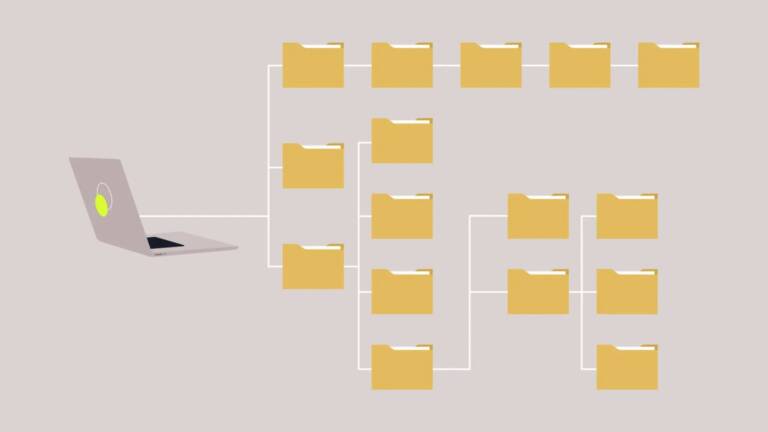
When assets are scattered across folders, cloud storage platforms, and employees’ computers, finding, editing, and sharing them takes up valuable time.
Digital Asset Management (DAM) helps solve these challenges. A modern DAM platform is more than just a place to store files. It’s a marketing tool that automates repetitive tasks and connects marketing assets directly to the platforms where they’re used.
In this article, we compare DAM solutions from the perspective of marketing teams at mid-sized companies. Our key evaluation criteria include AI capabilities, ease of use, integrations, multichannel content distribution, and scalability.
What are the best DAM tools for marketing teams in 2026?
Several digital asset management platforms are well suited to marketing teams. Their strengths range from straightforward content management to comprehensive content ecosystems for global organizations.
| DAM platform | Best for | Key strengths |
| ImageBank X | Mid-sized and growing companies and marketing teams | Advanced AI features, including semantic AI search, automated metadata and alt text generation, content editing tools, workflow automation, and integrations. Unlimited admins and users. |
| Bynder | Large brands | Brand management, AI-powered search, and content distribution |
| Brandfolder | Large marketing and creative teams | Brand asset management, collaboration, and analytics |
| Acquia DAM | Companies managing large volumes of product and marketing content | Digital asset and product information management |
The right DAM platform depends on your company’s size, existing tools, and how much manual work you want to eliminate from your marketing processes.
1. ImageBank X: AI-powered DAM for everyday marketing workflows
ImageBank X is an AI-powered digital asset management platform that helps marketing teams find, edit, manage, and distribute digital assets more efficiently. It’s particularly well suited to mid-sized companies that create marketing materials for multiple channels and share them across teams, locations, and external partners. ImageBank X brings digital asset management, AI capabilities, content editing tools, and integrations together in one platform.
Find the right marketing assets faster with ImageBank X AI Search
One of the biggest time-consuming tasks for marketing teams is finding the right assets. With traditional file management, locating a specific image often requires knowing its exact filename, understanding the folder structure, or relying on manually added keywords. ImageBank X’s AI Semantic Search lets you find assets using natural language based on their content and meaning.
For example, you can search for:
- “A summer outdoor photo of people enjoying the sunshine.”
- “A product image on a white background.”
- “An image of an employee wearing protective equipment in a manufacturing facility.”
AI understands the meaning behind your search, so you don’t need to know the exact filename or metadata. This helps marketing teams find the assets they need faster and make better use of existing content.
Let ImageBank X AI handle repetitive tasks
Marketing teams spend a significant amount of time on tasks that are important but don’t necessarily require creative expertise. Categorizing images, writing metadata, generating alt text, and preparing images for different channels can easily take hours every week. ImageBank X uses AI to automate these tasks:
- AI metadata: Automatically generates descriptive metadata to make assets easier to organize and find.
- AI alt text: Generates alt text suggestions for images to support website accessibility.
- AI editing: AI-powered editing tools, such as background removal, make it faster to prepare images for different purposes.
- Bulk editing: Process and enrich multiple assets at once instead of handling them individually.
By automating routine tasks, marketing teams can spend more time planning campaigns, creating content, and improving marketing performance.
Edit images, videos, and branded content in ImageBank X DAM
Marketing materials are often needed in multiple formats. The same campaign image might be published on a website, LinkedIn, in an email newsletter, and in a distributor’s online store. ImageBank X includes built-in tools that let teams prepare assets for different channels directly within the DAM platform.
Photo Editor allows users to edit and crop images. Video Editor makes it easier to edit videos and add captions. Brand Studio enables teams to create on-brand materials using ready-made templates.
This means marketing teams can make everyday edits without sending every asset to a graphic designer or switching between multiple applications.
Connect your ImageBank X DAM to the tools your marketing team already uses
A DAM platform becomes even more valuable when it’s connected to the rest of your marketing technology stack. ImageBank X integrates with tools such as:
- Adobe Creative Cloud: Access and use assets directly within creative design workflows.
- Canva: Use approved brand assets when creating visual content.
- Microsoft 365: Access digital assets within familiar Microsoft applications.
- WordPress: Use images and other assets directly in your website content management system.
- Shopify: Make product and marketing images available for your online store.
- HubSpot: Connect DAM assets with marketing and customer relationship management workflows.
These integrations make assets available right where they’re needed, reducing manual downloads, file transfers, and duplicate storage.
Share approved assets with ImageBank X, without user limits
Managing marketing assets rarely involves just the marketing department. Sales teams, distributors, agencies, and other partners all need access to up-to-date images, logos, videos, and campaign materials. With ImageBank X’s Brand Portal and Dealer Portal solutions, you can give different audiences access to the exact materials they need. Role-based permissions ensure users only see the assets they’re authorized to access.
ImageBank X also offers unlimited users, allowing companies to expand access to marketing materials without additional per-user licensing costs.
Who is ImageBank X best for?
ImageBank X is an excellent option for mid-sized companies looking to accelerate campaign launches, automate content management, and connect marketing assets across their existing systems.
Pricing starts at €99/month. Explore ImageBank X pricing.
2. Bynder: DAM for large companies brand management
Bynder is a digital asset management platform focused on centralized brand asset management, content discoverability, and multichannel distribution.
It’s particularly relevant for large companies running marketing operations across multiple markets.
Who is Bynder best for?
Bynder is especially suitable for organizations managing multiple brands, markets, or large marketing teams. Mid-sized companies should consider whether they need the full scope of an enterprise-focused DAM solution.
3. Brandfolder: Brand asset management and marketing collaboration
Brandfolder is a DAM platform owned by Smartsheet that helps marketing teams organize, share, and analyze their digital assets.
Who is Brandfolder best for?
Brandfolder is particularly suitable for marketing organizations looking to centralize brand assets, improve collaboration between creative teams, and track asset usage.
4. Acquia DAM: Digital asset and product information management
Acquia DAM, formerly known as Widen, is a digital asset management platform that helps companies centralize brand, marketing, and product assets in one environment.
Who is Acquia DAM best for?
Acquia DAM is an interesting option for manufacturers, product-focused brands, and e-commerce companies where marketing asset management is closely connected to product information.
What features should marketing teams look for in a DAM platform?
All digital asset management platforms provide centralized file management, but their features and workflows can vary significantly.
| Feature | Why it matters for marketing teams |
| AI Search | Helps teams find the right images, videos, and marketing materials faster |
| AI metadata | Reduces manual asset categorization and description |
| Editing tools | Makes it easier to prepare content for different marketing channels |
| Integrations | Brings assets directly into content creation and publishing tools |
| Brand management | Ensures teams use the latest approved brand materials |
| Access permissions | Enables secure collaboration with partners and distributors |
| Scalability | Supports new users, markets, brands, and growing asset libraries |
| Analytics | Helps teams understand asset usage and identify opportunities for improvement |
For mid-sized companies, one of the most important considerations is how easily a DAM platform fits into existing marketing workflows. Ideally, digital asset management should reduce the amount of manual work between different tools rather than introduce another disconnected system.
How much time can DAM save marketing teams?
The benefits of digital asset management go far beyond organizing files. A DAM platform can speed up the entire marketing process, from finding assets to publishing content. According to performance figures shared by ImageBank X, DAM can help marketing teams:
- Publish content up to 40% faster by making assets easier to find and access across different channels.
- Save up to 8 hours per week by streamlining asset search, editing, and distribution.
- Share assets up to 3 times faster by making approved materials centrally available to partners and other teams.
Saving eight hours per week is equivalent to an entire workday that can be spent on campaign planning, creative work, or improving marketing performance.
Example: How does DAM speed up campaign launches?
Imagine a marketing team preparing a new product launch across its website, social media, email campaigns, and distributor network.
Without a centralized DAM platform, the team needs to search for assets across multiple folders, verify that each file is up to date, edit images for different channels, and manually distribute materials to various stakeholders.
With DAM, the same process becomes much more efficient:
- Find: The marketing team uses AI Search to locate approved campaign assets.
- Edit: Images and videos are prepared for different channels using built-in editing tools.
- Enrich: AI generates the necessary metadata and alt text suggestions.
- Publish: Assets are made available on websites and other channels through integrations.
- Share: Distributors and partners access the latest approved materials through dedicated portals.
As a result, launching campaigns requires less manual file handling and coordination.
Why is multichannel content distribution important for marketing teams?
Multichannel content distribution means using marketing assets across multiple channels, including websites, e-commerce platforms, social media, email campaigns, and distributor networks. When every channel has its own file folders and asset versions, content management quickly becomes time-consuming and prone to errors. A centralized DAM platform helps ensure that all channels use the latest approved assets.
For example, integrating a DAM with a website content management system allows editors to select images directly from the asset library without downloading and reuploading files. The same principle applies to design tools, e-commerce platforms, and marketing automation systems. This is particularly important for mid-sized companies, where marketing often involves several teams but only a small number of people are responsible for managing digital assets.
How to choose the best DAM software for a mid-sized company
When choosing a DAM platform, start by evaluating your current marketing workflows.
1. Identify your most time-consuming tasks. Does your team spend the most time searching for, editing, approving, or sharing assets?
2. Review the integrations you need. Does your company use Adobe, Canva, Microsoft 365, HubSpot, WordPress, or Shopify? Check how the DAM platform connects with these tools.
3. Test AI capabilities in practice. Evaluate how well the platform finds assets using natural language, generates metadata, and automates repetitive tasks.
4. Consider users and partners. How many people need access to your materials? Will costs increase as you add more users?
5. Evaluate scalability. Can the platform support new brands, markets, and larger asset libraries without significant changes?
6. Measure the value it delivers. Track metrics such as time spent finding assets, campaign publishing speed, and asset reuse.
A good DAM solution should meet your current needs while supporting your company’s future growth.
Conclusion: What is the best DAM tool for marketing teams in 2026?
The best DAM platform depends on your company’s marketing workflows, existing tools, and long-term goals.
ImageBank X is a particularly strong option for mid-sized marketing teams looking to streamline everyday content management with AI and automation.
AI Search, automated metadata, AI-powered image editing, built-in editing tools, and extensive integrations help reduce manual work and make marketing assets easier to find, manage, and use.
Give your marketing team more time for what matters
What if your team could free up an entire workday every week for campaign planning and creative work instead of searching for, editing, and sharing files?
Frequently asked questions about DAM software
What is the best DAM software for marketing teams?
The best DAM software depends on your marketing team’s needs. ImageBank X is particularly well suited to teams looking to combine AI-powered asset management, built-in editing tools, and integrations in one platform.
What is digital asset management in marketing?
Digital asset management (DAM) is the centralized storage, organization, search, and distribution of marketing materials such as images, videos, documents, and brand assets. DAM helps ensure that the right materials are easily accessible to different teams and marketing channels.
How is AI used in digital asset management?
AI can be used to search for assets, automatically categorize content, generate metadata, edit images, and create alt text. For example, ImageBank X’s AI Search allows users to find assets using natural language without knowing exact filenames or keywords.
Can DAM software speed up campaign launches?
Yes. DAM software can accelerate campaign launches by centralizing assets, automating manual tasks, and connecting content directly to publishing channels. According to ImageBank X’s reported performance figures, content publishing can be up to 40% faster.
What is the difference between DAM software and a traditional media library?
A traditional media library may provide basic storage and sharing for images and other files. A more comprehensive DAM platform typically includes AI capabilities, metadata management, access permissions, approval workflows, analytics, and integrations with other business systems.
Which DAM platforms integrate with marketing tools?
Many DAM platforms offer integrations with marketing and content creation tools. For example, ImageBank X integrates with Adobe Creative Cloud, Canva, Microsoft 365, WordPress, Shopify, and HubSpot.
Is DAM software suitable for mid-sized companies?
Yes. DAM is particularly valuable for mid-sized companies that create marketing materials for multiple channels and share them across teams or external partners. Centralized asset management helps reduce manual work, maintain brand consistency, and support business growth.